
Creative OOH, Experiential Marketing & Brand Activation Ideas That People Actually Notice
Outdoor marketing in 2026 is not just about placing a billboard and waiting for people to look at it. Brands now need ideas that make people stop, click pictures, record videos, participate and talk about the campaign.
A good outdoor campaign today works in two places at once:
First, it grabs attention in the real world.
Then, it travels online through Instagram Reels, YouTube Shorts, influencer posts, news coverage and public conversations.
That is why the best outdoor marketing ideas in 2026 are not only about visibility. They are about experience, curiosity, entertainment and shareability.
Below are some of the most effective outdoor marketing ideas brands can use in 2026.
1. 3D Billboard Advertising
A normal billboard can create visibility, but a 3D anamorphic billboard can create a moment.
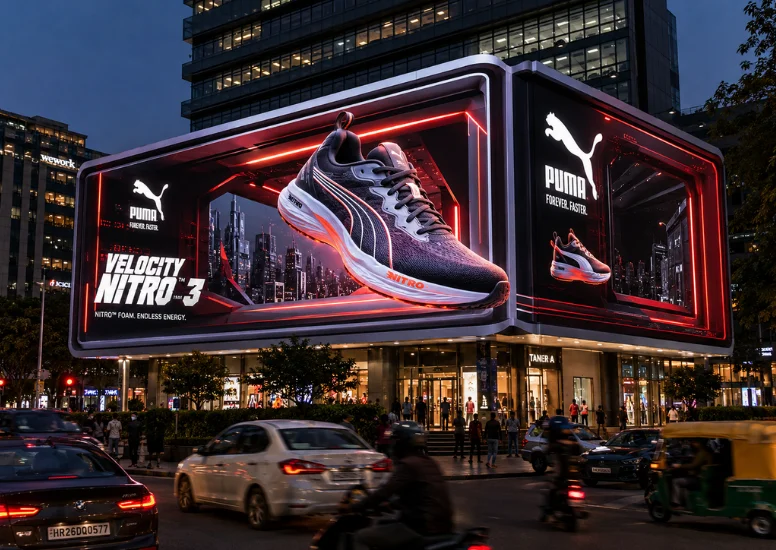
This is one of the strongest outdoor marketing ideas in 2026 because it doesn’t feel like regular advertising. When the content is designed well, it looks like the product, character, or object is coming out of the screen. People naturally stop, look up, take videos and share it online.
That is the power of 3D billboard advertising. It works as both offline marketing and social media content.
A 3D billboard can be used for:
- Product launches
- Movie promotions
- Fashion campaigns
- Tech product reveals
- Automotive launches
- Gaming and entertainment campaigns
- Luxury brand visibility
The key is not just using a digital screen. The real impact comes from anamorphic content, forced perspective design and a strong visual idea. A static 2D billboard can be creative, but a well-made 3D billboard feels different because it becomes a public spectacle.
For brands that want to look bold, modern and premium, 3D anamorphic billboards are one of the best outdoor advertising formats to explore.
2. Pop-Up Stores & Pop-Up Experience Zones
A pop-up store is not just a temporary shop. In 2026, it is becoming one of the most powerful ways to let people experience a brand directly.
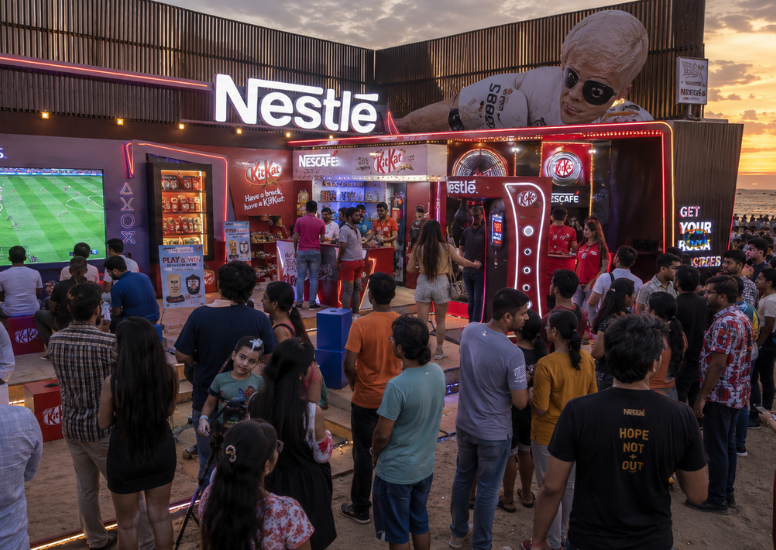
A good pop-up experience zone makes people curious. They see the setup, stop for a moment and want to know what is happening. If the space looks interesting, they enter. If the activity is fun, they stay. If the experience is worth sharing, they post it.
That is exactly why pop-up stores work so well for outdoor marketing and brand activation.
Pop-up stores can be used for:
- New product launches
- Food and beverage tasting
- Fashion and beauty trials
- Tech product demos
- Automobile display zones
- Gaming experiences
- Limited-time brand campaigns
The best pop-up stores are built around interaction. For example, a beverage brand can create a tasting bar, a gaming brand can create a mini challenge zone, a fashion brand can create a styling booth and an automobile brand can create a compact experience lounge.
If you add a gaming zone, photo booth, challenge wall, AR screen, or reward activity, people enjoy the experience and are more likely to share it on social media.
A pop-up store should not just display products. It should make people feel like they have entered the brand’s world.
3. Experiential Marketing Campaigns
Experiential marketing is one of the smartest things brands can do because it creates a relationship between the brand and the audience.
People may ignore an ad, but they remember an experience.
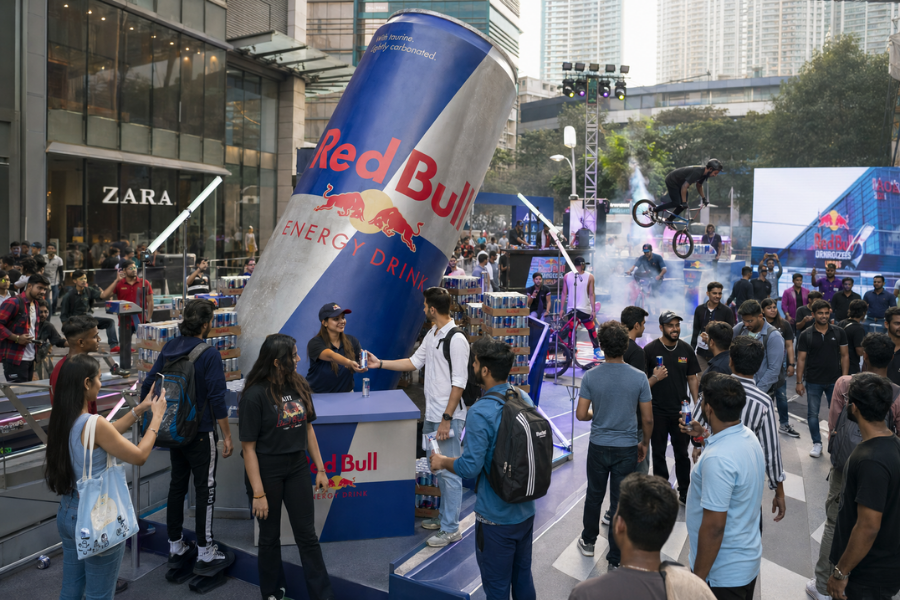
When someone touches a product, tries a sample, plays a game, enters an installation, attends a live demo, or interacts with a brand team, the brand becomes more real. This is why experiential marketing continues to grow in outdoor marketing.
Experiential marketing works especially well for:
- FMCG brands
- Automobile brands
- Technology products
- Fashion and lifestyle brands
- Beauty and fragrance brands
- Food and beverage companies
- Entertainment and movie promotions
A smart experiential campaign does three things:
It attracts attention.
It gives people something to do.
It creates a memory linked to the brand.
That emotional connection is important. When people trust the experience, they are more likely to trust the product.
This is why brands are moving from “look at us” marketing to “come experience us” marketing.
4. Roadshows & Mobile Brand Campaigns
Roadshows are still one of the most effective outdoor marketing ideas, especially when a brand wants to reach people across multiple locations.
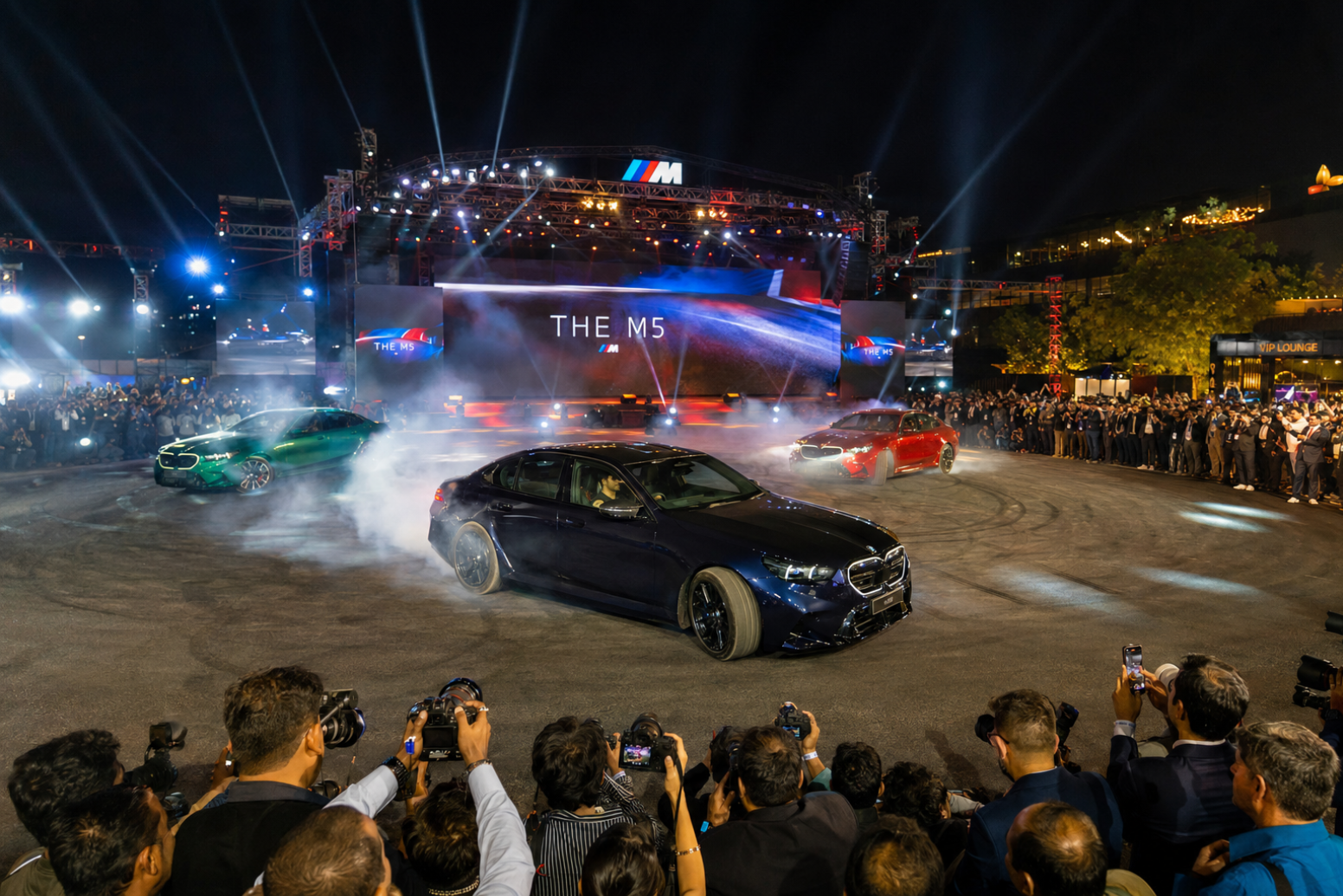
A roadshow takes the campaign to the audience instead of waiting for the audience to come to one place. It can move through cities, campuses, malls, highways, markets and public spaces.
Roadshows are useful for:
- Automobile launches
- Bike promotions
- EV awareness campaigns
- FMCG sampling
- Tech demos
- Rural marketing
- Regional product launches
For automobile brands, roadshows can become extremely powerful. A car drift showcase, bike stunt display, EV demo zone, or test-drive setup can attract crowds quickly. People love watching vehicles in action, especially when there is sound, movement, skill and energy.
A good roadshow is not just a branded van moving around the city. It should include:
- Strong vehicle branding
- Live demo or activity
- Promoters and engagement team
- Sound and announcement setup
- Sampling or trial experience
- Social media capture points
When done well, roadshows create offline buzz and online reach together.
5. Stunt Events
A well-planned stunt event can make a brand unforgettable.
Think about brands like Red Bull. Their campaigns are not remembered only because of logos or ads. They are remembered because of the action, risk, energy and spectacle around them.
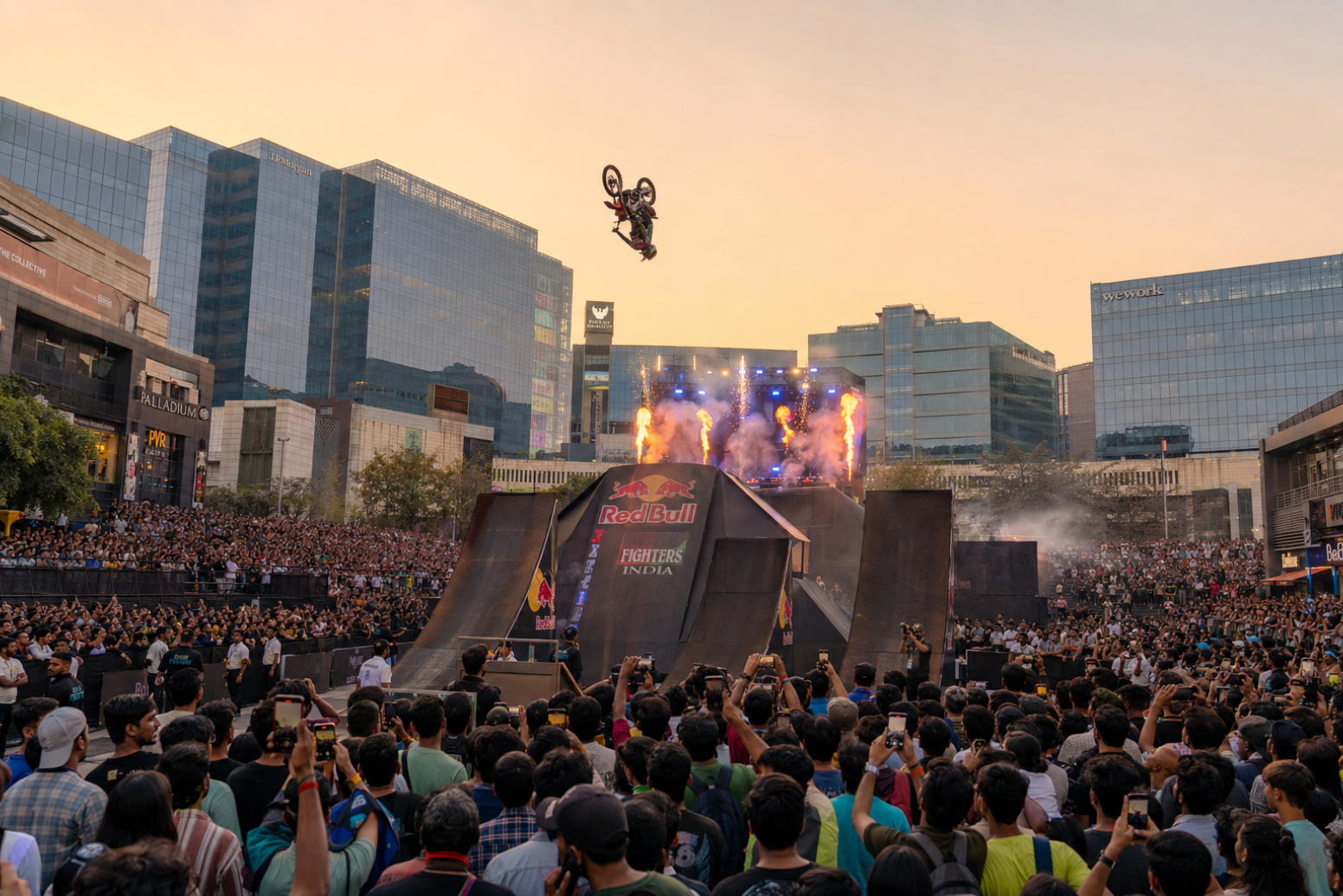
That is what stunt marketing does. It creates a moment people want to watch.
Stunt events can include:
- Bike stunts
- Car drift events
- Extreme sports demos
- High-energy public performances
- Adventure-based brand events
- Fitness or challenge-based activations
- Flash performances in public locations
This kind of outdoor marketing works because it creates instant attention. People gather, record videos, cheer and share the moment.
But stunt events need strong planning. Safety, permissions, crowd control, barricading, production and professional execution are extremely important. A stunt idea is exciting only when it is planned properly.
For brands that want to look bold, energetic, youthful and fearless, stunt events can be a powerful outdoor activation format.
6. Tech Installations: Hologram, Projection Mapping & Drone Shows
Technology-led outdoor marketing is becoming bigger in 2026 because people love seeing something unexpected in public spaces.
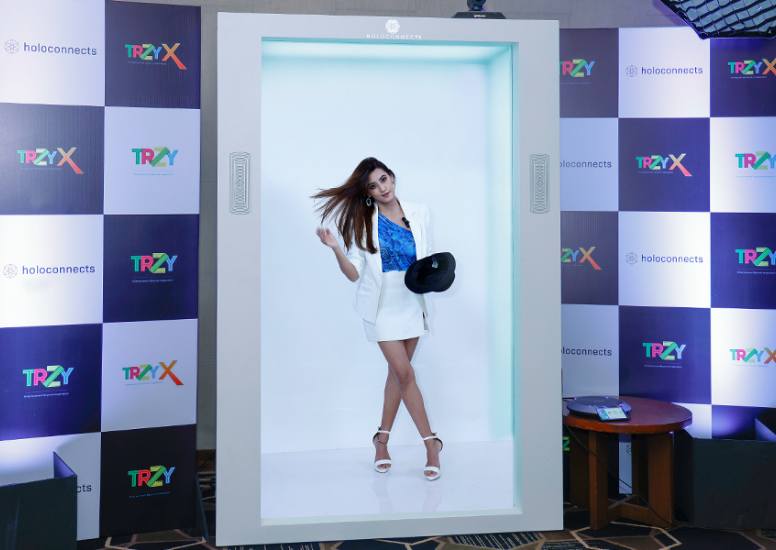
A tech installation can turn a normal campaign into a futuristic brand experience.
Some strong formats include:
- Hologram displays
- Projection mapping
- Drone shows
- Interactive LED installations
- Motion-sensor screens
- AR-based outdoor experiences
- Large digital product reveals
A hologram can be used to showcase a product, a person, or a futuristic brand story.
Projection mapping can turn buildings, monuments, malls, or event spaces into giant storytelling surfaces.
Drone shows can create logos, characters, shapes and launch moments in the sky.
These formats are powerful because they create scale. People don’t just watch them — they record them. That makes the campaign more shareable.
Tech installations work well for:
- Luxury brands
- Automobile launches
- Movie promotions
- Tech product launches
- Government campaigns
- Large public events
- Entertainment brands
For brands that want to look innovative, premium, or futuristic, technology-led outdoor marketing can create a strong impression.
7. Fun & Gaming Events
Games always work because people like to participate.
A fun activity can turn a normal outdoor campaign into a crowd-pulling experience. The moment people see others playing, trying, laughing, winning, or reacting, they become curious.
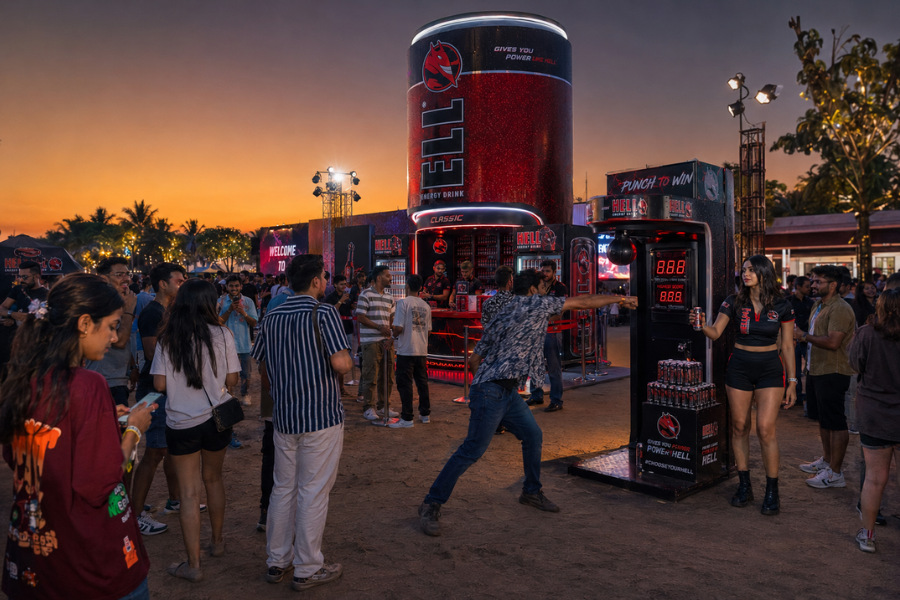
Gaming-based activations can include:
- Vending machine challenge
- Punching machine challenge
- Spin-the-wheel activity
- Claw machine game
- AR treasure hunt
- Reaction-time game
- Product quiz challenge
- Photo challenge booth
- Leaderboard-based competition
These ideas are simple but effective because they give people a reason to engage.
For example, a beverage brand can create a vending machine challenge where people perform a task to win a drink. A fitness brand can create a punching machine contest. A gaming brand can set up a live tournament zone. A movie brand can create character-based games.
Fun activations work well in:
- Malls
- College campuses
- Public events
- Trade shows
- Brand launches
- Festivals
- Outdoor markets
The best part is that games create natural content. People record their friends playing, winning, failing, laughing and reacting. That makes the brand feel more alive.
8. Public Installations & Giant Product Displays
A strong public installation can become a landmark for a few days.
This is one of the best outdoor marketing ideas for brands that want people to stop and take photos. A giant product, unusual object, funny structure, or interactive installation can make a location feel different.
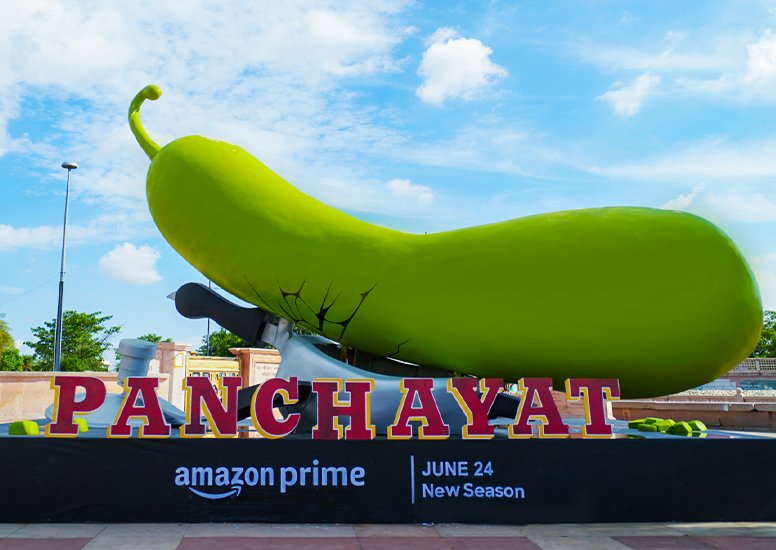
Public installations can include:
- Giant product replicas
- Oversized packaging displays
- Interactive sculptures
- Fun brand objects
- Creative street installations
- Large character displays
- Walk-in product experience zones
For example, a beauty brand can create a giant lipstick installation. A snack brand can create an oversized packet display. A tech brand can create a huge phone model. A movie campaign can install a giant character or prop. An automobile brand can create a dramatic vehicle display platform.
The goal is simple: make something people cannot ignore.
A good public installation should be:
- Visually strong
- Easy to understand
- Photo-friendly
- Safe for public interaction
- Connected clearly to the brand
When the object is unique enough, people become the media.
9. City-Wide Puzzle Campaigns
A city-wide puzzle campaign is one of the most interesting ways to create curiosity.
Instead of telling people everything at once, the brand spreads clues across different locations. People discover one clue, scan a QR code, visit another location, unlock a message, or participate in a challenge.
This format works because people enjoy solving things.
City-wide puzzle campaigns can include:
- QR code hunts
- Mystery posters
- Hidden clue locations
- Social media hint drops
- Public installations with secret messages
- Multi-location brand challenges
- Treasure-hunt style activations
This idea works very well for:
- Movie promotions
- Gaming brands
- Tech launches
- Youth campaigns
- Entertainment events
- New product teasers
A city-wide puzzle campaign creates conversation because people start asking, “What is this?” That curiosity is valuable. It gives the campaign a life of its own.
When planned properly, this format can combine outdoor marketing, social media, influencer participation and public engagement in one campaign.
10. Integrated Outdoor Marketing Campaigns
The best outdoor marketing campaigns in 2026 usually don’t depend on just one idea.
A strong campaign may combine:
- 3D billboard
- Pop-up experience zone
- Influencer appearance
- Roadshow
- DOOH screens
- Public installation
- Gaming activity
- Social media challenge
- City-wide puzzle
This works because people see the brand in different ways and at different moments. One person may notice the billboard. Another may visit the pop-up store. Someone else may record the public installation. Others may join the puzzle or game.
When all these parts connect, the campaign becomes bigger than a single ad.
That is where outdoor marketing becomes powerful.
Why These Outdoor Marketing Ideas Work in 2026
Outdoor marketing is changing because audiences are changing.
People don’t want to only see ads. They want something worth noticing. Something worth recording. Something worth sharing.
That is why these ideas work:
- They create real-world attention
- They encourage audience participation
- They generate social media content
- They make brands feel more memorable
- They build emotional connection
- They turn public spaces into brand experiences
The strongest campaigns are not the loudest. They are the ones people choose to engage with.
Final Thoughts
The best outdoor marketing ideas in 2026 are built around creativity, experience and shareability.
A 3D billboard can stop people on the street.
A pop-up store can make them interact.
An experiential campaign can make them remember.
A roadshow can take the brand across cities.
A stunt event can create excitement.
A hologram, projection mapping, or drone show can make the campaign feel futuristic.
A game or public installation can make people participate.
A city-wide puzzle campaign can create curiosity and conversation.
Outdoor marketing is no longer just about being seen. It is about being experienced.
FAQs
What are the best outdoor marketing ideas in 2026?
Some of the best outdoor marketing ideas in 2026 include 3D billboards, pop-up stores, experiential campaigns, roadshows, stunt events, holograms, drone shows, gaming activations, public installations, and city-wide puzzle campaigns.
Why are 3D billboards effective for outdoor marketing?
3D billboards are effective because they create a strong visual illusion that attracts attention and encourages people to record and share the campaign on social media.
What is a pop-up experience zone?
A pop-up experience zone is a temporary brand space where people can interact with products, try activities, attend demos, play games, or experience the brand in a physical location.
How does experiential marketing help brands?
Experiential marketing helps brands build stronger relationships with audiences by creating real-world interactions, emotions, and memorable experiences.
Are roadshows still effective in 2026?
Yes, roadshows are effective because they allow brands to reach audiences across multiple locations through mobile campaigns, live demos, and public engagement.
What are technology-based outdoor marketing ideas?
Technology-based outdoor marketing ideas include hologram displays, projection mapping, drone shows, interactive screens, AR activations, and digital public installations.How can outdoor marketing go viral on social media?
Outdoor marketing can go viral when the campaign gives people something visually interesting, interactive, funny, surprising, or emotional enough to record and share online.